The Role of Humane Wild Animals Removal in Protecting Local Ecosystems
Humane wild animals removal is not just an honest consideration yet an essential component in guarding regional communities. By focusing on non-lethal approaches, it deals with the fragile balance between human development and wild animals habitat conservation. This method not just minimizes conflicts however additionally ensures the sustainability of biodiversity. The effectiveness of these strategies warrants further exam, specifically in urban settings where human-wildlife interactions are significantly complex. As we consider the ramifications of our techniques and their effect on environmental consistency, one need to doubt how these methods can be enhanced to promote a much more symbiotic partnership with nature.
Understanding Human-Wildlife Problems
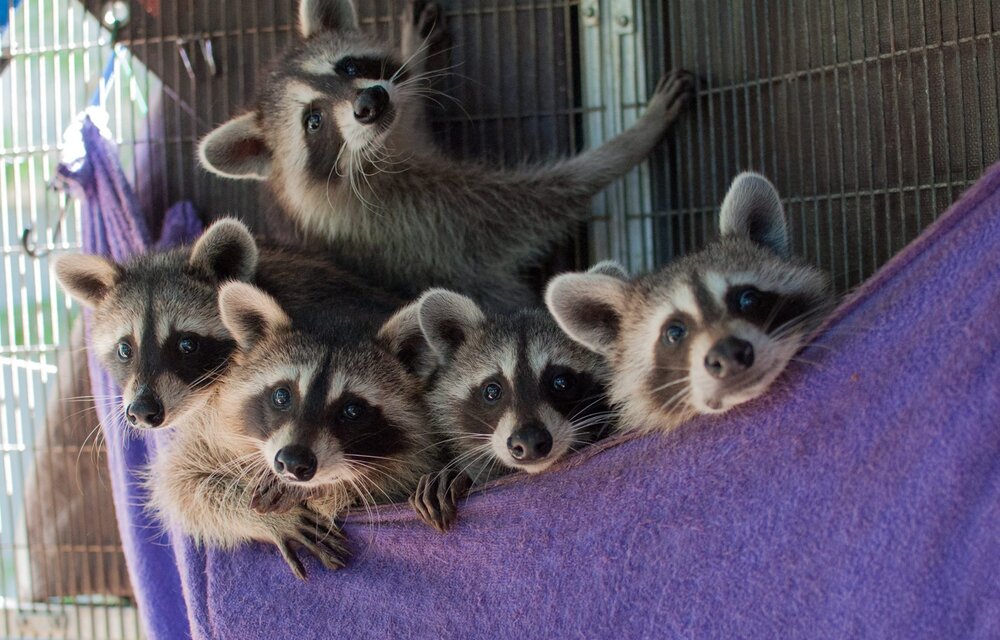
Human-wildlife disputes typically develop when the natural habitats of pets converge with human tasks, leading to competitors for sources and room. As urbanization and farming development proceed to intrude upon wildlife areas, pets such as raccoons, prairie wolves, and deer find themselves in closer closeness to human populaces. This closeness can lead to damaging effect on both wildlife and human beings, as animals may trigger damages to plants, infrastructure, and personal effects while human beings may accidentally harm wild animals through environment damage and various other anthropogenic pressures.
The intricacy of these disputes comes from a selection of aspects. Modifications in land use, climate adjustment, and the fragmentation of environments frequently require wildlife to adjust to brand-new settings, in some cases leading them right into business or residential locations. In addition, the accessibility of human-generated food sources, such as rubbish and pet food, can draw in wild animals to human negotiations, intensifying communications and possible problems.
Dealing with human-wildlife problems calls for a nuanced understanding of animal habits, ecological dynamics, and socio-economic factors to consider. By studying these policymakers, communications and preservationists can develop methods that intend to reduce disputes while protecting biodiversity and preserving ecological equilibrium. The goal is to foster conjunction and minimize adverse effect on both human areas and wild animals populations.
Relevance of Non-Lethal Methods
Non-lethal methods of wild animals removal embody this ethos by offering remedies that stop damage to wildlife while addressing human problems. By utilizing such strategies, we can handle wildlife communications without resorting to deadly measures, thereby protecting animal populaces and decreasing ethical worries associated with murder.
These techniques often show extra effective in the long term, as removing individual animals can produce a space that is rapidly filled by various other members of the types or different varieties completely. This can lead to a cycle of recurring removal initiatives, whereas non-lethal deterrents address the origin creates of wildlife visibility.
Additionally, non-lethal approaches foster conjunction by informing the general public regarding wild animals habits and encouraging harmonious living practices. This understanding can result in more sustainable human-wildlife communications, eventually protecting both community interests and pet welfare.
Advantages for Biodiversity
When non-lethal wild animals removal methods are utilized, they add considerably to biodiversity conservation. By ensuring the safe relocation of animals instead than their elimination, these approaches maintain ecological balance and protect the stability of ecological communities.

Additionally, these techniques foster conjunction in between humans and wild animals, lowering unfavorable interactions and protecting the rich tapestry of life that identifies biodiverse regions. This strategy motivates a much deeper understanding and respect for wild animals, fostering community assistance for preservation efforts. Eventually, humane wild animals removal is a vital part in protecting biodiversity, ensuring ecosystems continue to be practical and vivid for future generations.
Approaches for Efficient Removal
Executing reliable methods for gentle wild animals removal calls for a comprehensive understanding of animal actions and habitat requirements. This expertise serves as the structure for developing strategies that ensure the ethical and risk-free moving of wildlife. One primary approach includes carrying out comprehensive evaluations of the damaged area to determine the varieties existing and the specific obstacles they posture. This evaluation assists in devising customized techniques that decrease stress and damage to the animals.
An additional crucial method is utilizing exemption strategies, which concentrate on securing entrance indicate stop pets from going back to structures. This method not just deals with the immediate issue but likewise acts as a long-lasting service, decreasing future problems in between people and wildlife. In addition, making use of non-toxic deterrents and repellents can encourage pets to leave areas willingly, complementing other removal initiatives.
Capture and moving ought to always be a last resource, employed just when animals pose a straight threat or are unable to leave on their very own. In such cases, making use of gentle catches and making certain the launch of animals in ideal environments are vital to securing their welfare. Cooperation with wildlife professionals and adherence to legal laws additionally enhance the performance of these strategies.
Supporting Coexistence in Urban Locations
Promoting coexistence in metropolitan areas calls for a multifaceted strategy that balances human advancement with the needs of regional wild animals. As urbanization continues to expand, it is essential to carry out strategies that minimize human-wildlife disputes while maintaining biodiversity. Urban policymakers and organizers must integrate eco-friendly spaces, such as parks and wild animals hallways, right into city layouts to provide habitats for indigenous species. These areas not only support wildlife but also improve the high quality of metropolitan life by boosting air top quality and offering recreational rooms for homeowners.
Education and understanding projects are vital in cultivating a culture of coexistence. Residents need to go now comprehend the significance of wildlife and the duty they play in neighborhood ecosystems. Workshops and informational sessions can equip areas with understanding on how to minimize conflicts, such as safeguarding garbage and using gentle deterrents to avoid wild animals invasion.
Furthermore, technology can play a substantial function in promoting coexistence. Making use of wildlife surveillance systems, for example, can aid track pet movements and educate urban planning choices. Cooperations in between environmental companies, city governments, and area groups can further enhance these efforts, making certain that city advancement proceeds sustainably while appreciating the eco-friendly equilibrium.
Verdict
Humane wild animals elimination look at this site is crucial for preserving eco-friendly equilibrium and biodiversity by employing non-lethal techniques that reduce damage to pet populaces. Understanding human-wildlife disputes and applying techniques such as exemption techniques and environment alteration can efficiently manage these experiences. Such methods sustain the conservation of native species and their environments, enhancing neighborhood involvement and understanding. Inevitably, advertising coexistence in urban areas promotes an unified relationship between people and the native environment, making sure sustainable environments for future generations.
As urbanization and farming growth proceed to intrude upon wildlife territories, pets such as prairie wolves, raccoons, and deer discover themselves in closer distance to human populations. Non-lethal approaches of wildlife removal embody this principles by providing solutions that avoid injury to wild animals while addressing human issues. By utilizing such approaches, we can handle wildlife interactions without resorting to lethal measures, therefore maintaining animal populations and decreasing ethical concerns linked with killing.
Executing efficient methods for humane wild animals elimination requires a comprehensive understanding of pet actions and habitat demands.Humane wild animals removal is important for keeping environmental balance and biodiversity by using More Help non-lethal techniques that minimize harm to pet populations.